
SONO Asia Lens Vol.7 🌊 The Story Of The Ama Divers
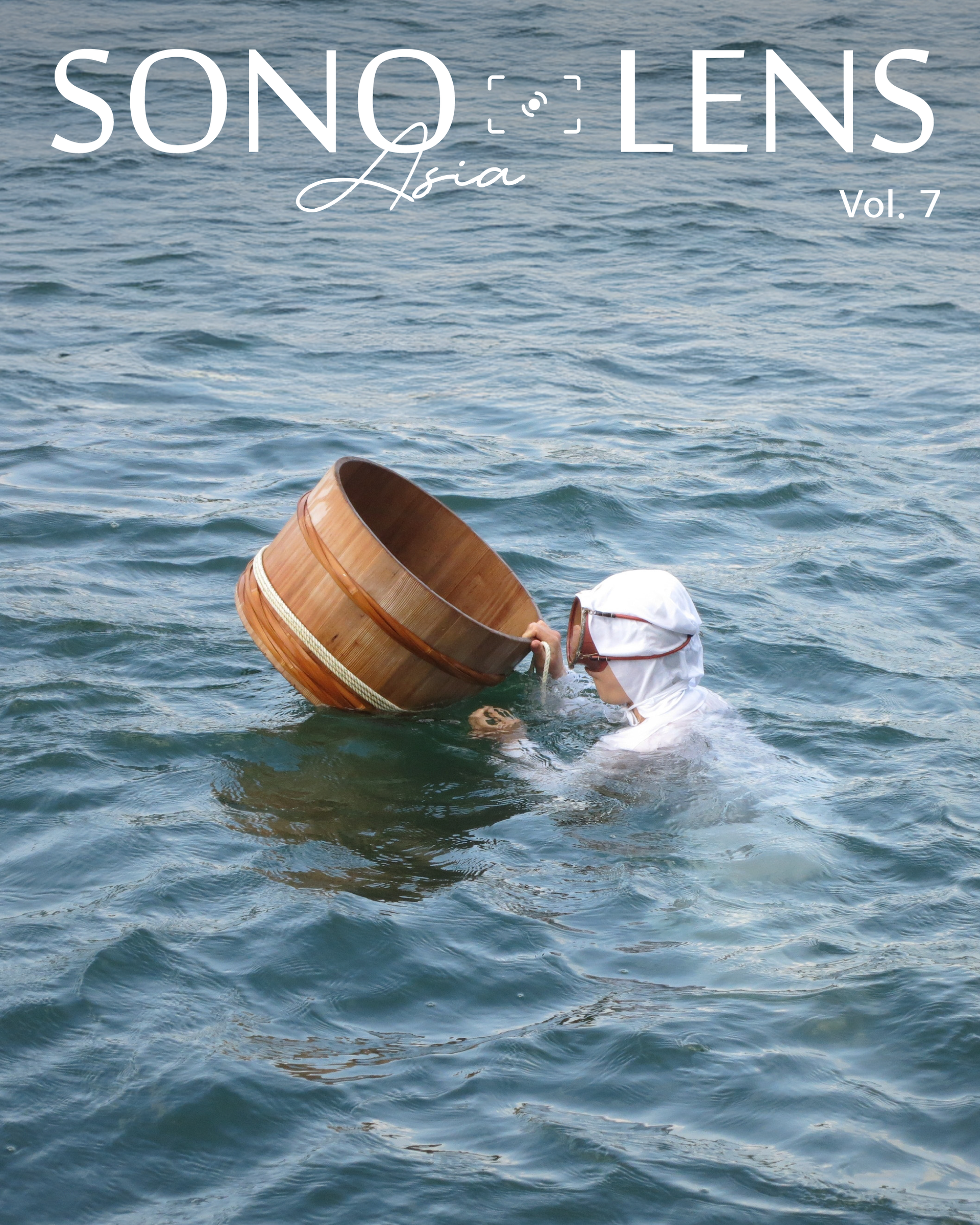


From Nagoya to One of Japan's Oldest Living Traditions
Nagoya is known for its rich history, distinctive cuisine, and vibrant city life. It is also the gateway to discovering some of Central Japan's most remarkable cultural experiences.
Just two hours from Nagoya Station, the coastline of Mie Prefecture is home to the Ama divers, Japan's legendary women of the sea. For more than 2,000 years, they have free-dived without scuba gear, harvesting abalone, shellfish, seaweed, and other seasonal treasures using skills passed down through generations.
This edition of SONO Asia Lens takes you beyond Nagoya to discover one of Japan's oldest living traditions along the beautiful coast of Ise-Shima.

The word Ama (海女) literally means
"women of the sea."
Ama are free divers who harvest seafood and marine plants entirely by hand. Without scuba gear or oxygen tanks, they descend 30 to 65 feet (10–20 meters) on a single breath, remaining underwater for up to two minutes.
Although a small number of men also practice Ama diving, women have long been the face of this centuries-old tradition. Every dive reflects generations of knowledge, patience, and respect for the sea.
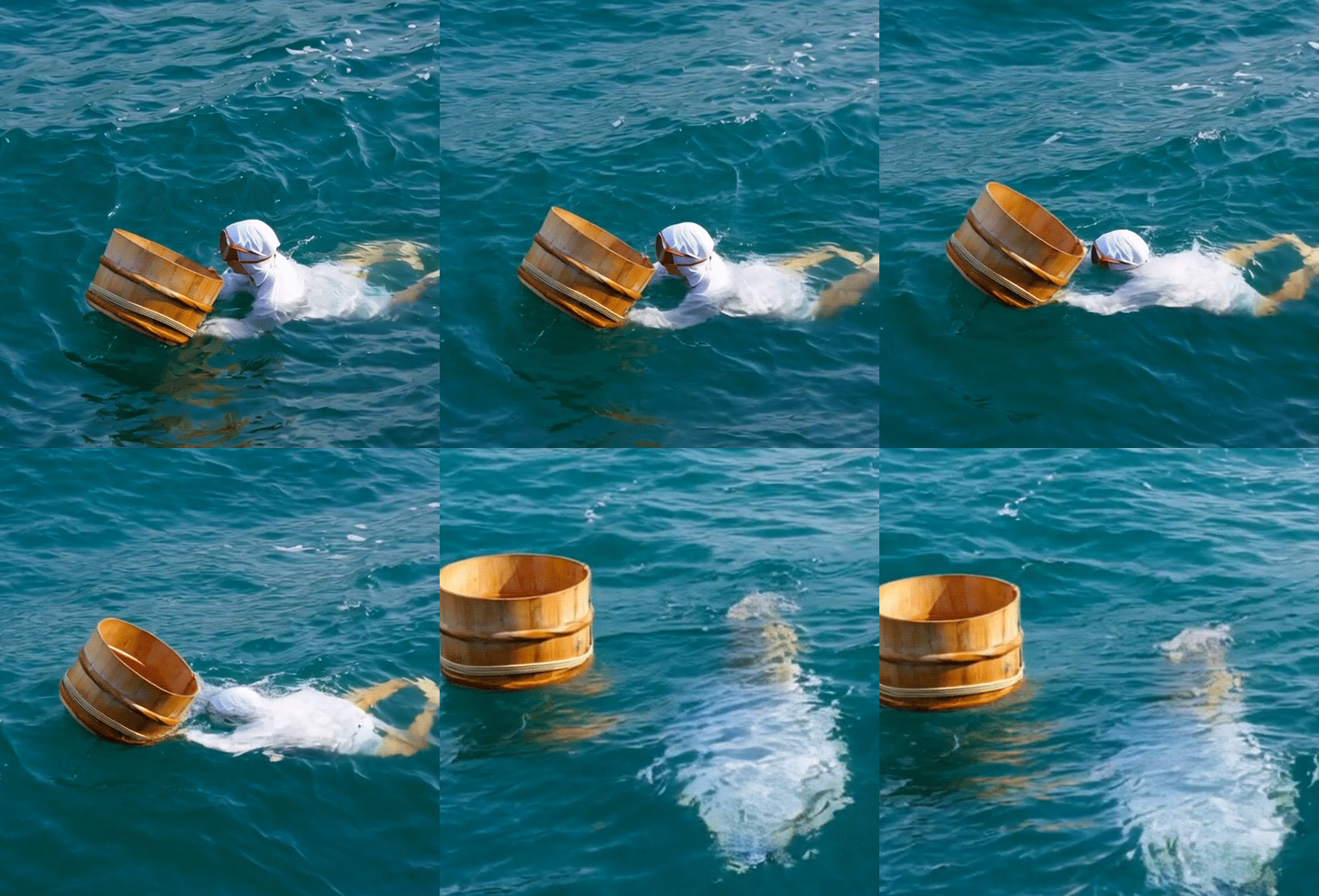

One of the most recognizable features of Ama diving is the Isobue, often called the
"sea whistle."
After resurfacing, Ama divers exhale slowly through pursed lips, creating a distinctive whistling sound that helps regulate their breathing before the next dive.
Along the coast of Shima, the Isobue continues to echo across the water, serving as a lasting symbol of this remarkable tradition.
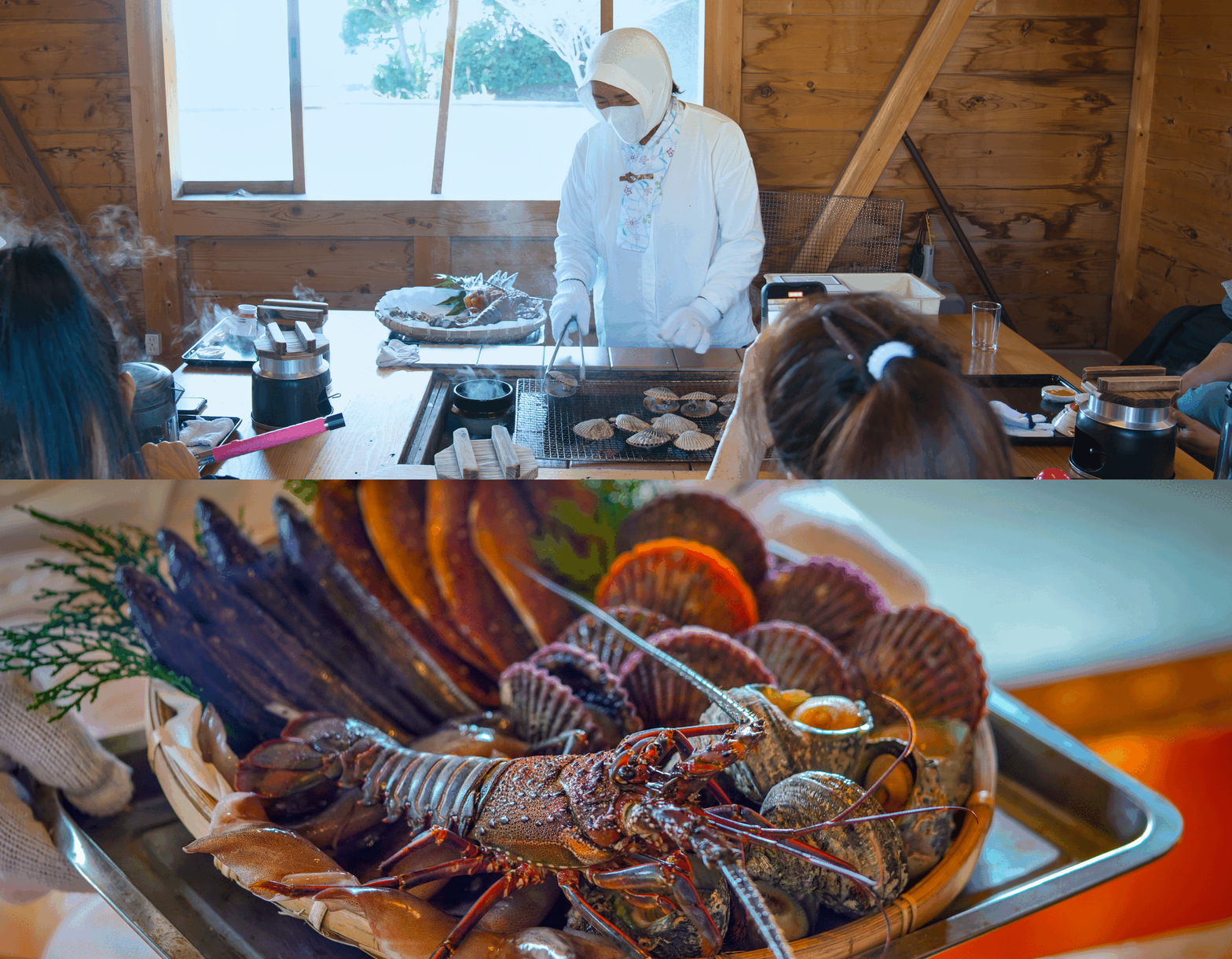

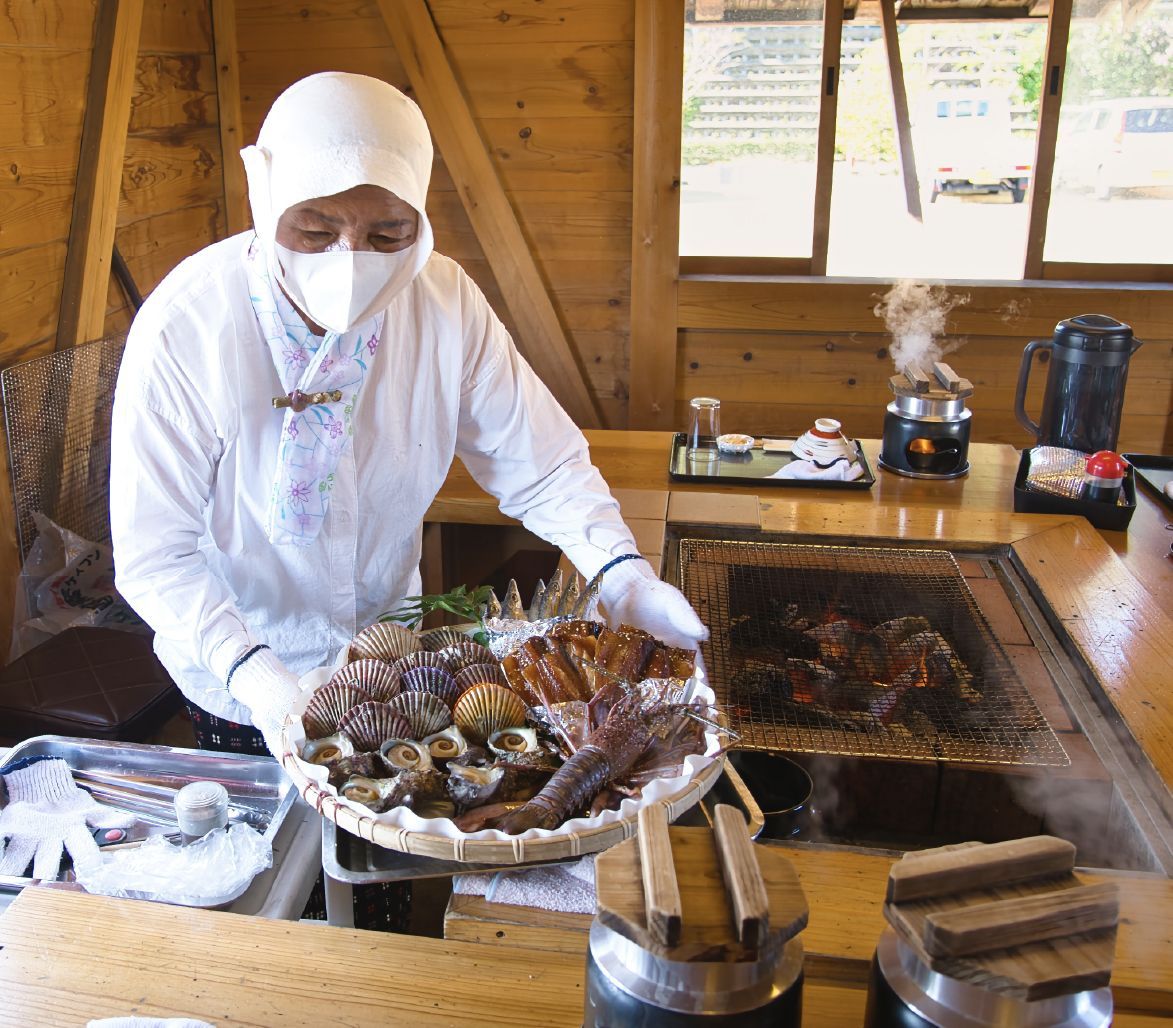
After hours in the sea, Ama divers gather inside traditional seaside huts known as
Ama-goya.
Today, many Ama huts welcome visitors, offering the chance to enjoy freshly grilled seafood while hearing firsthand stories from active and retired Ama divers.
Depending on the season, the menu may include abalone, turban shell, squid, fish, seaweed, or the region's famous Ise lobster. More than a meal, an Ama hut visit offers an authentic glimpse into Japan's coastal culture.

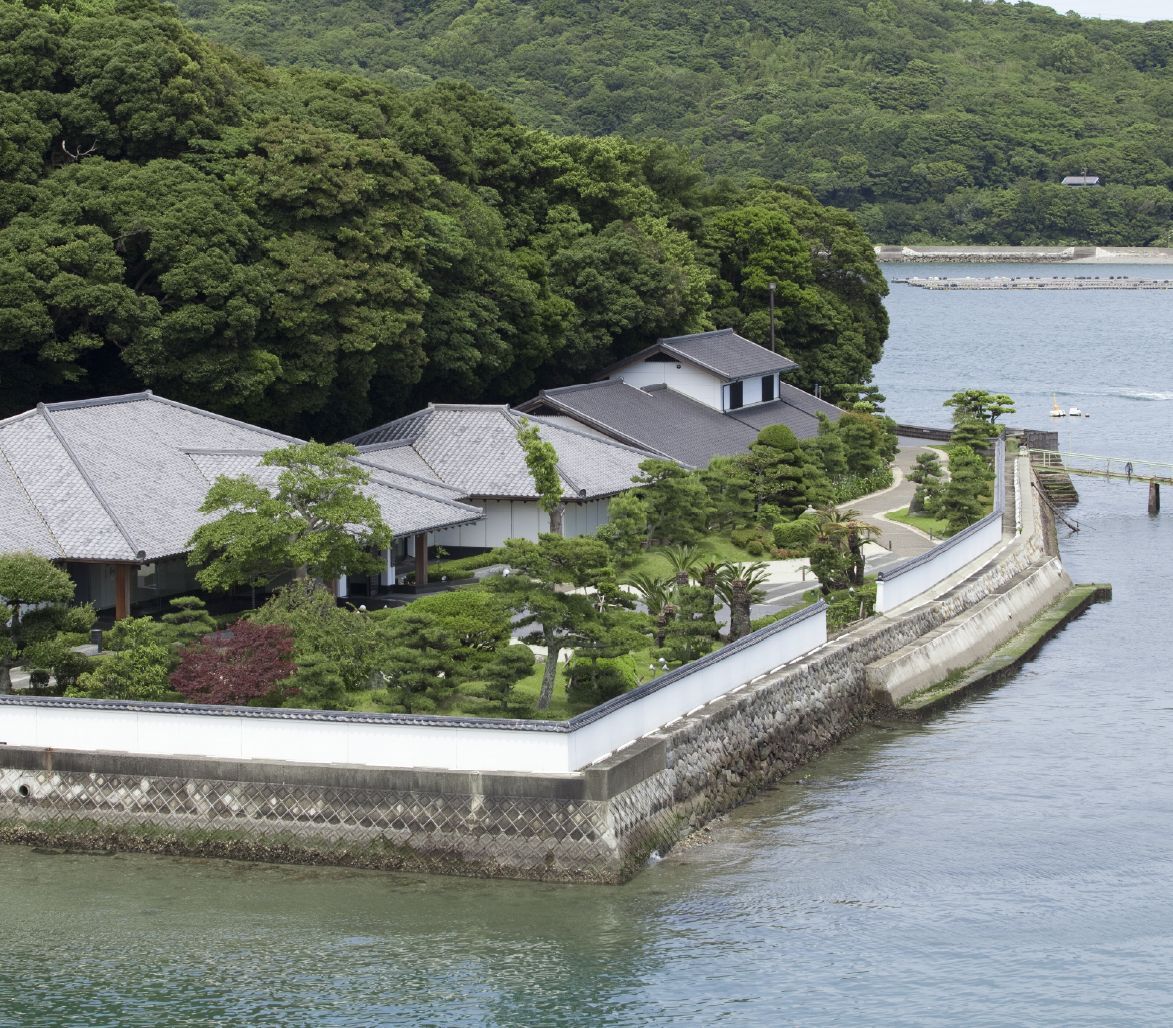
Toba
Toba is one of Japan's best destinations for experiencing Ama culture firsthand.
Visit the fishing village of Osatsu, enjoy a traditional meal inside an Ama hut, and meet local Ama divers who continue this remarkable tradition.
While you're there, stop by Mikimoto Pearl Island to learn how the Ama helped shape Japan's world-famous cultured pearl industry.
Shima
Farther south, Shima offers another authentic look at the Ama way of life.
Meet local Ama divers, experience an Ama hut, and explore the beautiful coastline of Ago Bay, where peaceful coves and island views reveal a quieter side of Japan.

Exploring the world of the Ama begins with an easy journey from Nagoya.
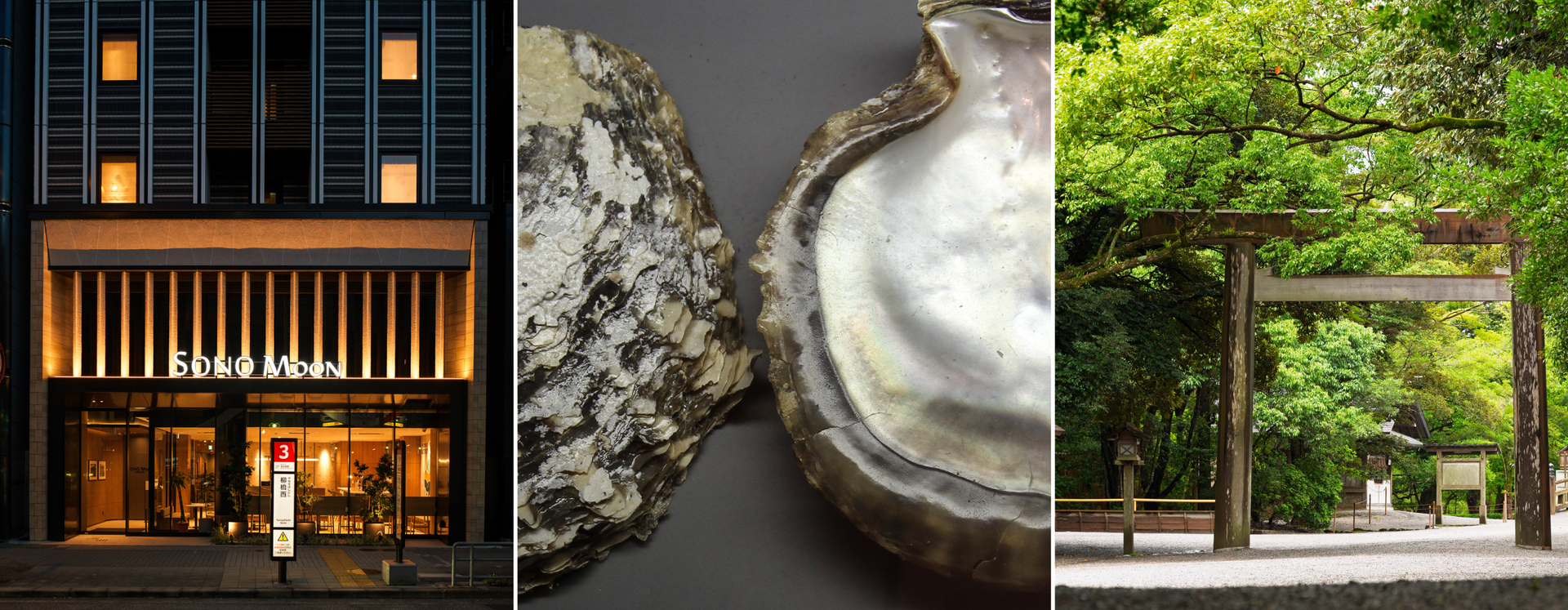
Located just an 8-minute walk from Nagoya Station, SONO Moon Nagoya is an ideal base for discovering Central Japan.
From Nagoya Station, the Kintetsu Limited Express provides direct service to Toba in approximately two hours, making it perfect for a day trip or an overnight getaway.
Along the way, travelers can also visit Ise Jingu, explore Ise-Shima National Park, discover Japan's pearl heritage, and enjoy some of the country's finest seafood.

Although the number of Ama divers has declined over the years, their tradition continues in the coastal communities of Toba and Shima.
More than a way of harvesting seafood, Ama diving represents resilience, community, and a deep respect for nature.
For travelers looking to experience Japan beyond its major cities, the journey from Nagoya to Mie offers an unforgettable glimpse into one of the country's oldest living traditions.
Local Tip
Reserve your Ama hut experience in advance, especially on weekends and during peak travel seasons. Seasonal menus and the day's catch make every visit a unique experience.


Located just an 8-minute walk from Nagoya Station, SONO Moon Nagoya is the perfect starting point for exploring Central Japan.
From Nagoya's vibrant city attractions to the timeless traditions of Mie Prefecture, your next unforgettable journey begins here.
SHARE TO..